Stairlift vs. Home Elevator: Which Is the Right Accessibility Solution for Your Home?
In this blog:
- Stairlifts are affordable, fast to install and ideal for those who can transfer independently.
- Home elevators provide wheelchair access and added convenience but require significant construction and a larger budget.
- Consider your mobility needs, available space, budget and future plans when choosing.
The stairs shouldn’t be the toughest chore you tackle each day. When moving between floors starts to feel more like work than it should, it’s time to explore your options. Stairlifts and home elevators both solve the same problem, navigating between floors safely, but they take very different approaches.
A stairlift is an affordable, bolt-on device that mounts directly to your stair treads without any structural modifications. A home elevator is a comprehensive solution that accommodates wheelchairs and multiple passengers, but is a major construction project, often requiring a shaft or a pit. The best choice depends on your budget, space and long-term mobility needs.
Stairlift vs. Elevator: How To Decide
Feeling unsteady on the stairs is common, especially for seniors. According to the National Safety Council, falls are the leading cause of death among seniors, with one in four experiencing a fall each year. For many, stairs are one of the biggest fall risks in the home, and arthritis, vision challenges and balance issues can all make navigating them a challenging task.
To maintain their independence, many seniors start limiting their use of the stairs. Over time, they may be forced to downsize or move to assisted living. Fortunately, innovative solutions like stairlifts and elevators can enable you to remain independent and make your entire home accessible. The question is, which one is right for you?
What Is a Stairlift?
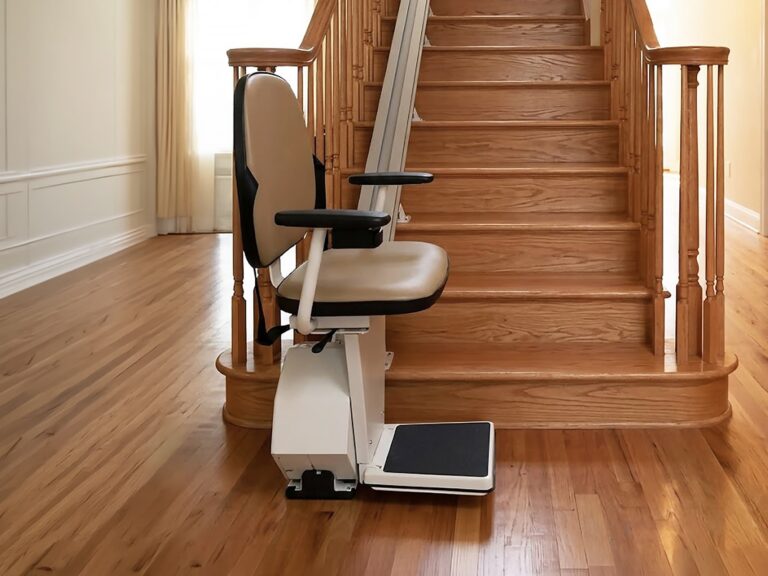
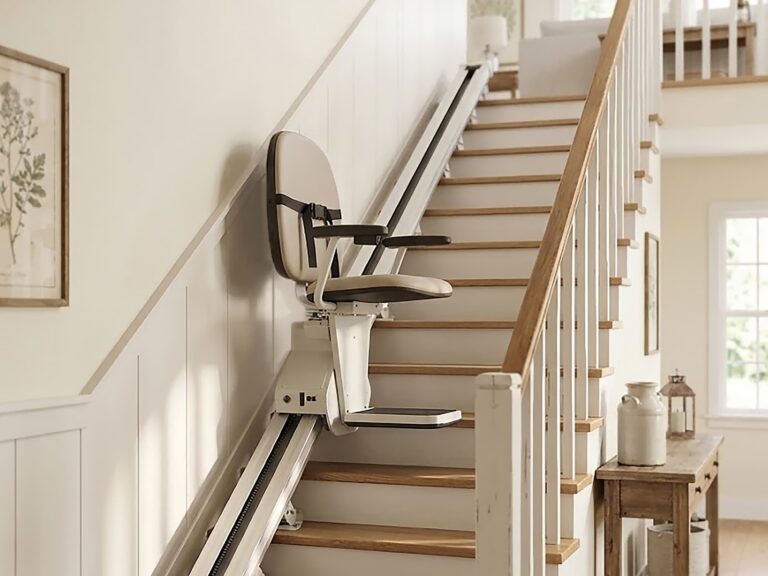
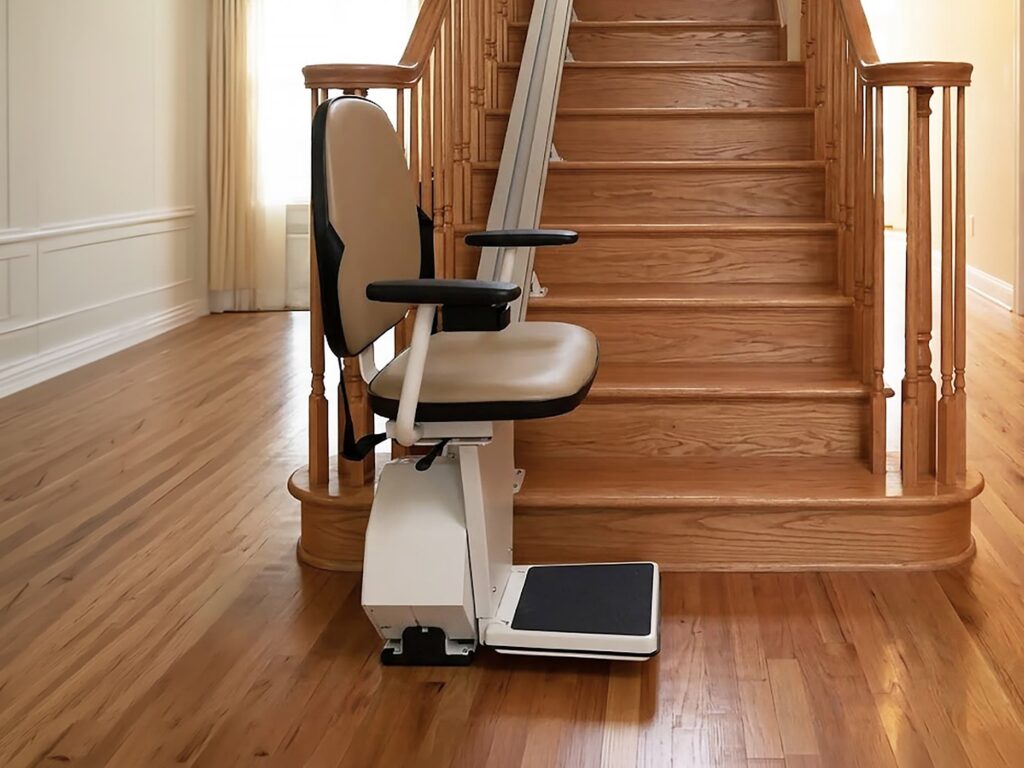
A stairlift is a chair attached to a rail system that travels up and down your existing staircase. It’s operated with simple controls and designed for people with limited mobility who can safely transfer in and out of a seated position.
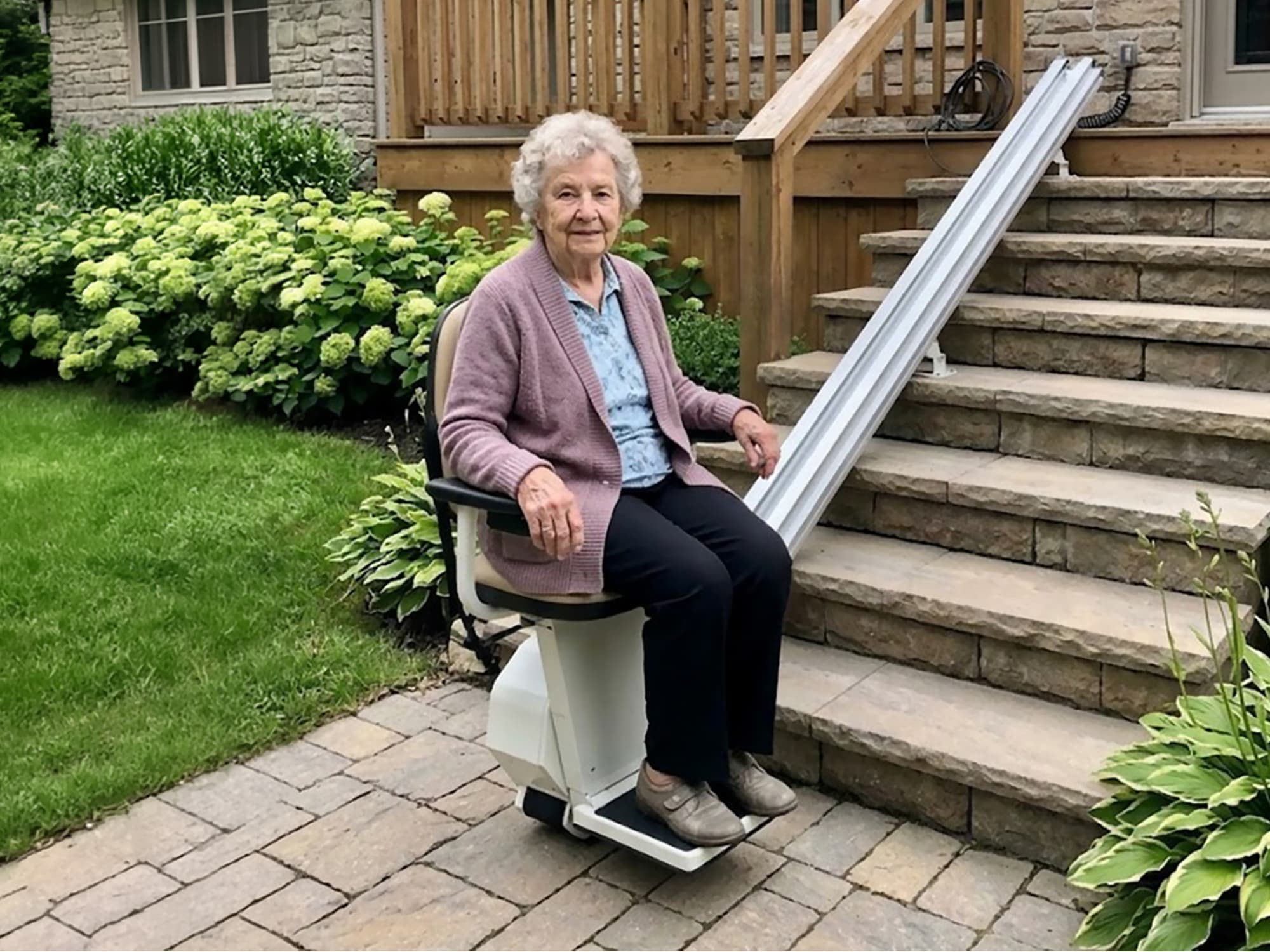
Stairlifts can be installed on indoor and outdoor stairs, as well as curved or L-shaped staircases. Curved staircases require custom rail systems, which typically increase the overall cost.
Stairlift Pros
- Low cost
- Fast installation
- No renovation
Stairlift Cons
- Requires transfer
- Not wheelchair accessible
Home Elevator Benefits and Drawbacks
A home elevator is an enclosed lift system that transports people between floors. There are a variety of options. Traditional models require a dedicated shaft, while through-the-floor elevators travel directly between floors without a full hoistway. Through-the-floor elevators generally require less construction, but they often come with a higher price tag.
Installing a home elevator often requires extensive renovations, and the high cost may make it out of reach for many seniors.
Home Elevator Pros
- Wheelchair accessible
- Can carry multiple passengers
- Wheelchair accessible
Home Elevator Cons
- High cost
- Construction required
- Longer installation timeline
Stairlift or Elevator: Key Factors To Consider
There are many factors to consider when choosing between a stairlift and a home elevator. Let’s explore four things you need to understand to make a decision.
1. Cost and Budget
A stairlift is a one-time investment in home safety, and maintenance is relatively minimal. A Safe Step stairlift includes free professional installation, and our lifetime-limited warranty ensures your stairlift will remain in good condition as long as you own your home.
Installing a home elevator requires equipment and construction costs, as well as long-term maintenance. While this project may be less expensive than moving or in-home care, coping with renovations can be a hassle. Total costs generally range from $20,000 to $50,000 or more, depending on the model, well above the cost of even the more custom, curved stairlift solutions.
2. Available Space
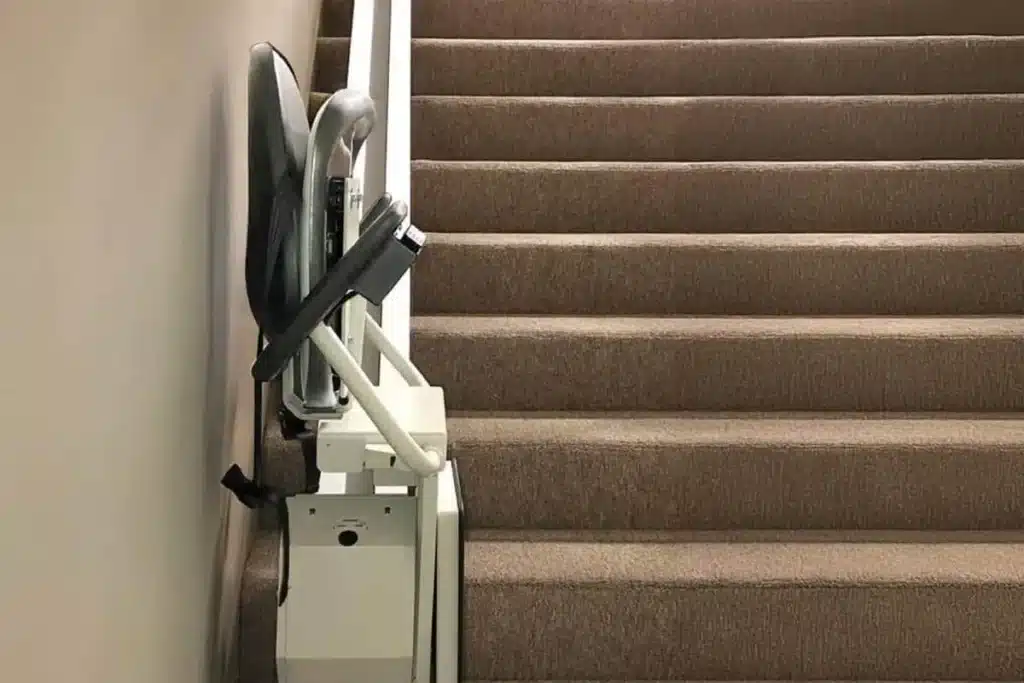
Stairlifts and home elevators have different space requirements. A stairlift uses your existing staircase and can fold up when not in use to maximize stair access. Structural modifications to your home may be required to install an elevator, depending on the model you choose.
3. Mobility Needs
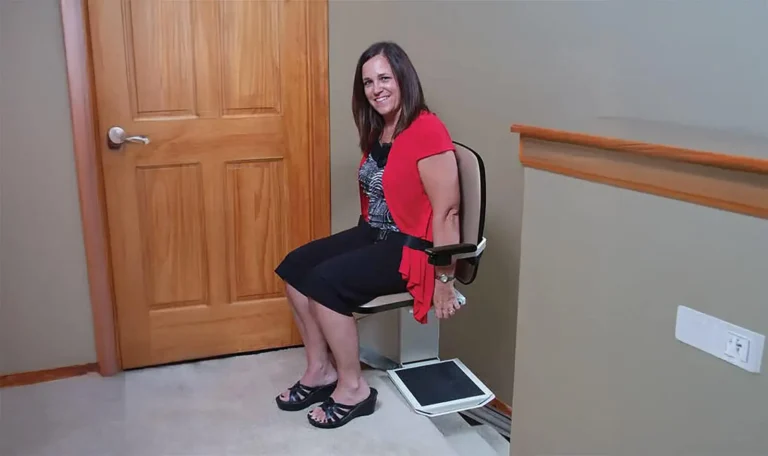
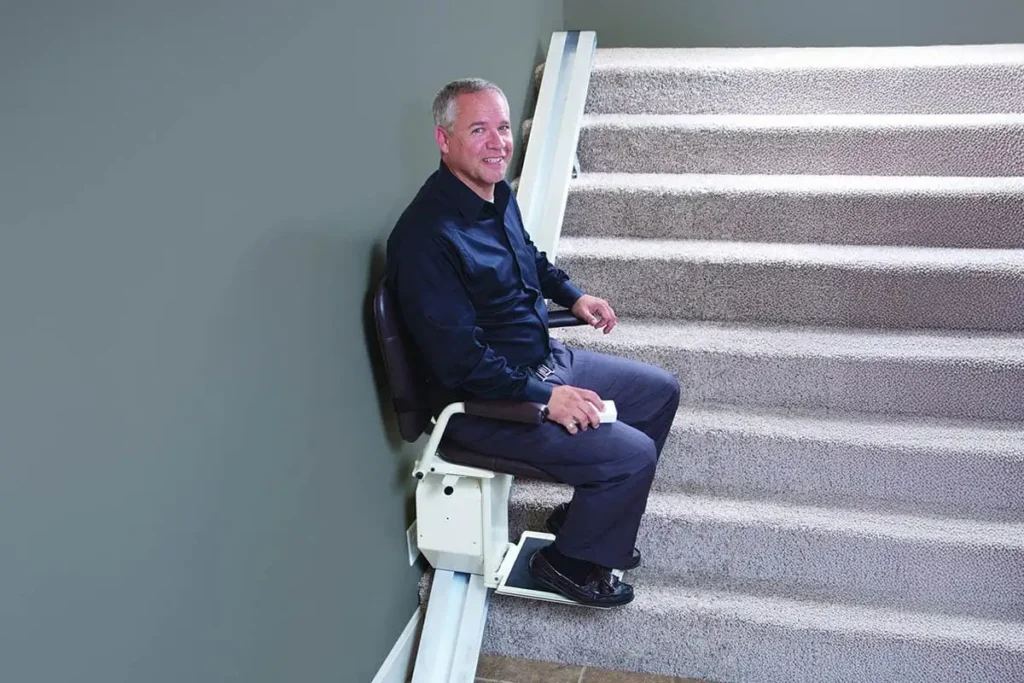
The choice between a stairlift and an elevator often comes down to your mobility needs. A stairlift is an ideal solution if stairs are difficult, but you’re able to transfer independently and simply prefer a practical, easy solution.
“My wife has frontotemporal dementia, osteoporosis and other health problems. Our living quarters are on the second floor. So, having this lift has been a great blessing,” said R. Young, a Safe Step customer.
An elevator is an ideal option for wheelchair users or people with multiple mobility challenges. It can also make it easier for a caregiver to assist with transport.
4. Installation Process
While it’s important to make a plan for the future, many people don’t explore mobility solutions until after a fall, injury or surgery. A hassle-free stairlift from Safe Step can usually be installed in a matter of hours. It attaches directly to the stairs, preserving your railing. Installing an elevator requires permits, contractors and construction, which can make it a lengthy process.
Why a Stairlift Is Often the Best Place To Start
Many homeowners choose a stairlift because it offers an affordable way to improve accessibility. Rather than committing to a major renovation project, homeowners can regain access to every level of their home in a single day. Stairlifts provide a practical solution for aging in place without sacrificing comfort or safety.
Safe Step Stairlifts also come with a variety of comfort and convenience features that many people enjoy, including:
- Swivel seats for easy access
- Battery backup for power outages
- Remote controls for convenient use
- Obstruction sensors for safe navigation
- Cargo tray add-on for hauling heavy loads
Questions To Ask Before Choosing a Stairlift
Before you start shopping for a stairlift, it can be helpful to ask yourself the following questions:
- What type of staircase do I have?
- Will my mobility needs change over time?
- How often will I use the stairlift?
- Do I need indoor or outdoor access?
- What features matter most to me?
Taking the time to evaluate your home’s needs can simplify the decision-making process and help you choose the right stairlift. A Safe Step stairlift expert will come to your home to help you determine the best solution.
Exploring the Best Stairlift Option Starts With Safe Step
Whether you need a compact stairlift for narrow stairs or an outdoor model to support aging in place, Safe Step’s lineup of stairlifts is designed to make everyday life safer, easier and more independent.
Request a free quote to get started today.
Stairlift Options FAQs
Are stairlifts better than home elevators?
For many homeowners, stairlifts are a more affordable and easier-to-install solution. However, home elevators may be better for wheelchair users or multi-floor access needs.
What is the best stairlift for seniors?
The best stairlift for seniors depends on factors like your mobility needs, staircase type and comfort preferences. Many seniors choose stairlifts with swivel seating, safety sensors and easy-to-use controls.
Can stairlifts fit on narrow stairs?
Yes. Many modern stairlifts are designed with compact tracks and foldable seats to fit narrow staircases while still allowing others to use the stairs.
What type of stairlift works best for curved stairs?
Curved stairlifts are designed for stairs with turns, landings or unique layouts and use custom rail systems to follow the staircase.
How do I choose the right stairlift?
Choosing the right stairlift depends on your staircase layout, mobility needs, safety concerns and long-term goals. A professional evaluation can help identify the best option.