Signs You Need a Stairlift
In this blog:
- Don’t wait for a fall or injury. A stairlift can help you stay safe and independent at home.
- Common signs it’s time for a stairlift include difficulty climbing stairs, avoiding parts of your home, fear of falling, joint pain or a recent fall.
- Exploring your options early may help you avoid the need to move or downsize.
The right time to get a stairlift is often before stairs become a daily struggle. It’s not a good idea to wait until a serious injury or mobility setback to make the switch. Explore common signs that it may be time to consider a stairlift, and how taking action early can help you stay safe and independent at home.
Live Life on Your Terms With a Stairlift
Mark Twain famously said, “Age is an issue of mind over matter. If you don’t mind, it doesn’t matter.”
Many older adults embrace that same mindset, remaining determined to stay independent, active and comfortable in the homes they love. But maintaining that can-do attitude often means making proactive home accessibility upgrades that support safety and mobility as your needs change.
One of the most common mistakes people make is waiting too long to consider a stairlift. Many assume stairlifts are only necessary for severe mobility challenges. Others worry that installing one somehow signals a loss of independence. In reality, the opposite is often true.
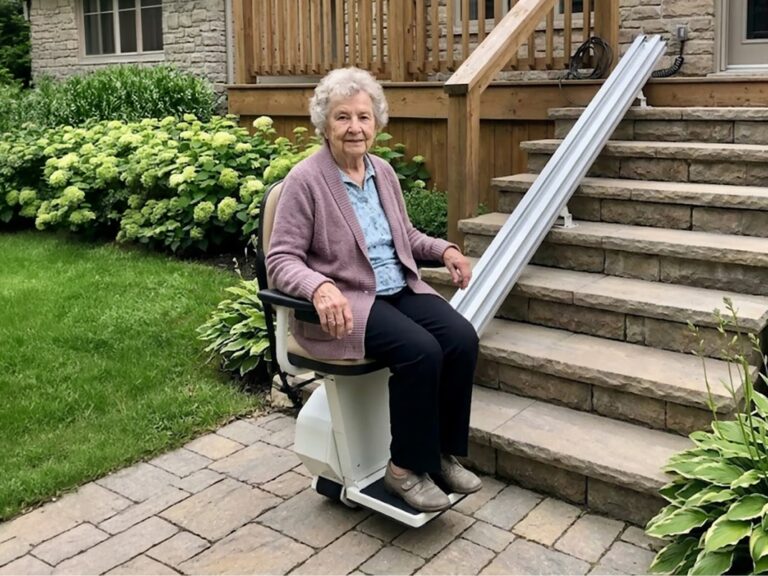
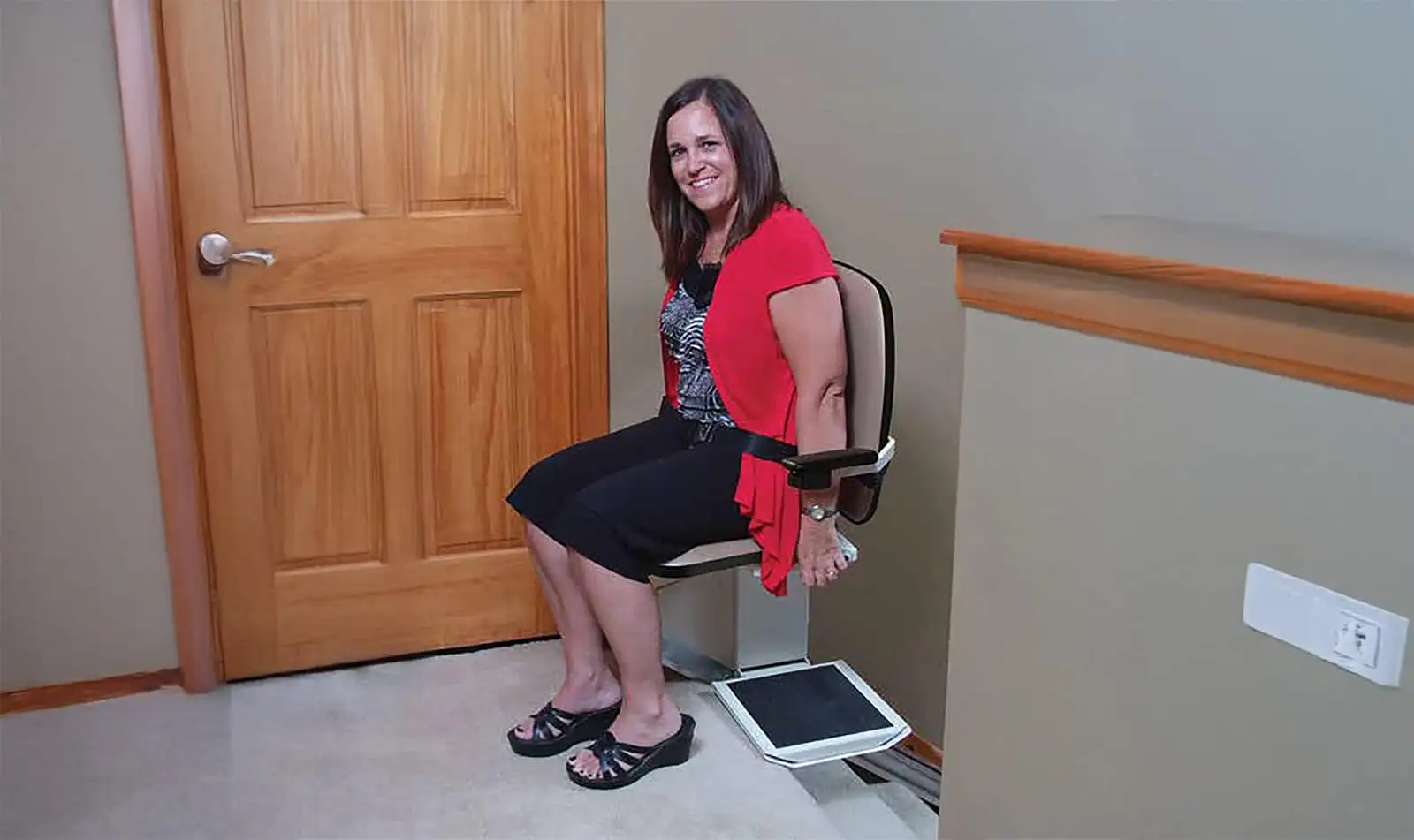
A stairlift can help you continue using every level of your home safely and confidently, reducing the risk of falls while allowing you to age in place on your own terms. It can make daily routines easier and provide peace of mind.
Why Many People Delay Getting a Stairlift
People delay getting a stairlift for a variety of reasons. Common comments include:
- “I’m not ready yet.”
- “I can still manage the stairs.”
- “I don’t want my home to feel medical.”
- “I only struggle sometimes.”
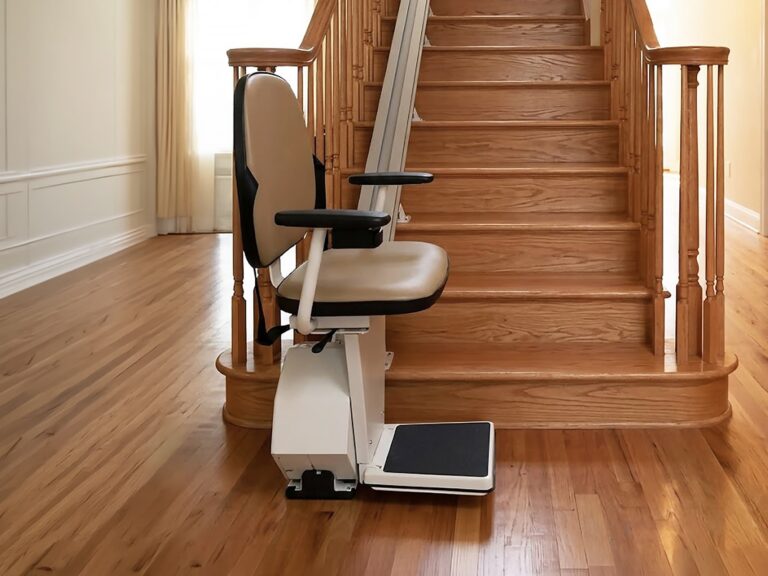
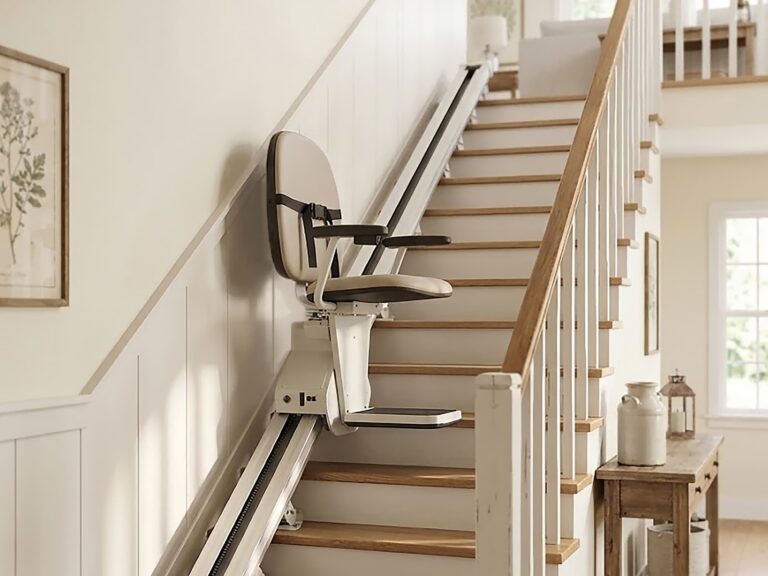
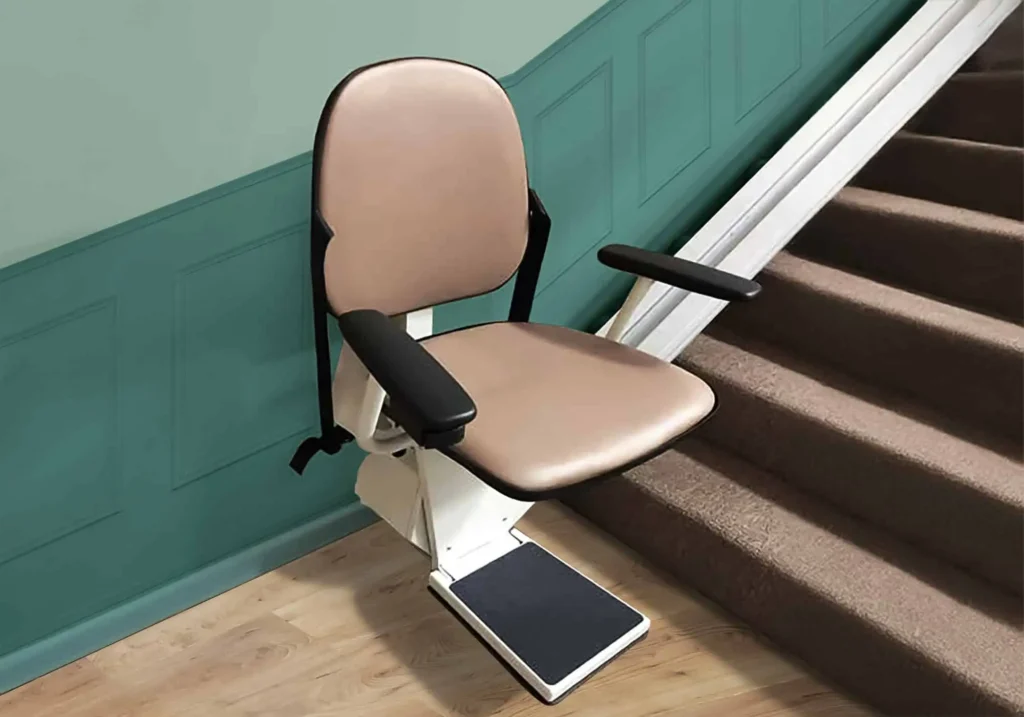
Many people are surprised to learn that modern stairlifts are designed for comfort and style. A Safe Step Stairlift is compact and foldable. It offers a smooth ride and is designed to blend into your home. Our professional installers attach the stairlift directly to the stairs to avoid damaging your stair rail or walls, making it a hassle-free upgrade.
In fact, many homeowners wish they had installed a stairlift sooner. Being proactive helps prevent falls, reduces strain on joints and ensures you maintain your independence longer.
“I have one, and I love it. It makes going upstairs so much better,” said Bob B., a Safe Step customer.
5 Signs You May Need a Stairlift
If you’re wondering when the time is right to invest in a stairlift, take a few minutes to evaluate your unique needs. Explore these common signs that it’s time to consider a stairlift.
1. Climbing Stairs Feels More Difficult
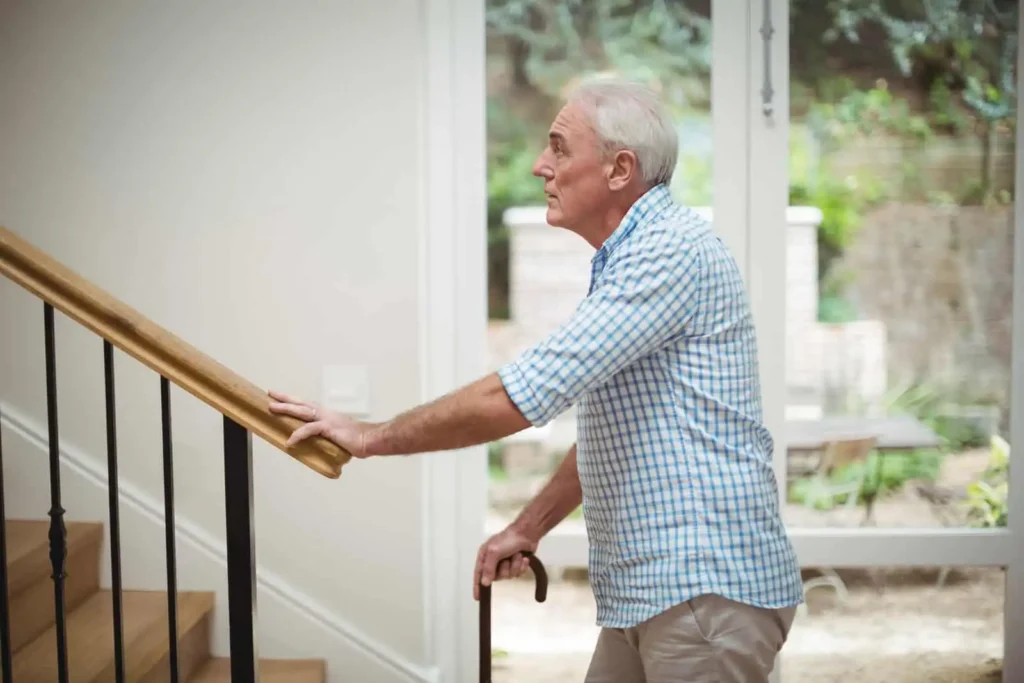
Does it take you longer to climb the stairs than it used to? One of the first signs it might be time to consider a stairlift is if it takes extra effort to navigate the stairs. If you find yourself gripping the railing tighter or stopping to rest, a stairlift can help you travel up and down seamlessly.
Our stairlifts feature a swivel seat for easy entry and exit. They are also equipped with a soft start and stop, speed regulator and obstruction sensor for a smooth ride.
2. You Avoid Certain Areas of Your Home
When climbing the stairs becomes uncomfortable or stressful, many older adults begin avoiding parts of their homes altogether. Whether it means spending most of the day downstairs, putting off laundry or rarely using upstairs bedrooms, limiting access to certain areas can reduce both convenience and quality of life.
3. You Worry About Falling
More than 300,000 seniors break their hips each year, according to Yale Medicine. A hip fracture is a traumatic event with a long recovery. Fear of an injury prompts many seniors to avoid using the stairs. This loss of confidence can make stairs a challenge, especially when carrying items. We offer a cargo tray add-on with our stairlifts to make it easier to carry bulky items between floors.
4. Joint Pain or Mobility Issues Make Stairs Painful
More than half of seniors have arthritis, which causes joint pain and stiffness. These aches and pains can make climbing the stairs uncomfortable and exhausting, especially when carrying items or navigating multiple flights each day. A stairlift can reduce strain on painful joints and help you move between floors with greater comfort and confidence.

5. You’ve Had a Fall or a Close Call on the Stairs
At least 14 million seniors fall each year. A recent fall or near fall is often a strong indicator that additional support on the stairs may be needed. Vision concerns, balance issues and stiffness are common for many seniors. Taking steps to make your home accessible enables you to reclaim your independence and enjoy every floor of your home safely.
A Stairlift vs. Moving or Downsizing
Ignoring the signs that you need a stairlift can make everyday life at home more difficult. Many older adults want to stay in their homes for as long as possible, but navigating stairs can sometimes make that goal feel out of reach. Without stair support, some homeowners feel pressured to:
- Move bedrooms downstairs
- Downsize
- Consider assisted living
A stairlift may help delay—or even eliminate—the need for these transitions by making it easier and safer to access every level of your home. By restoring confidence on the stairs, a stairlift can help you maintain your routine and continue enjoying the home and community you know and love.
When To Start Exploring Your Options
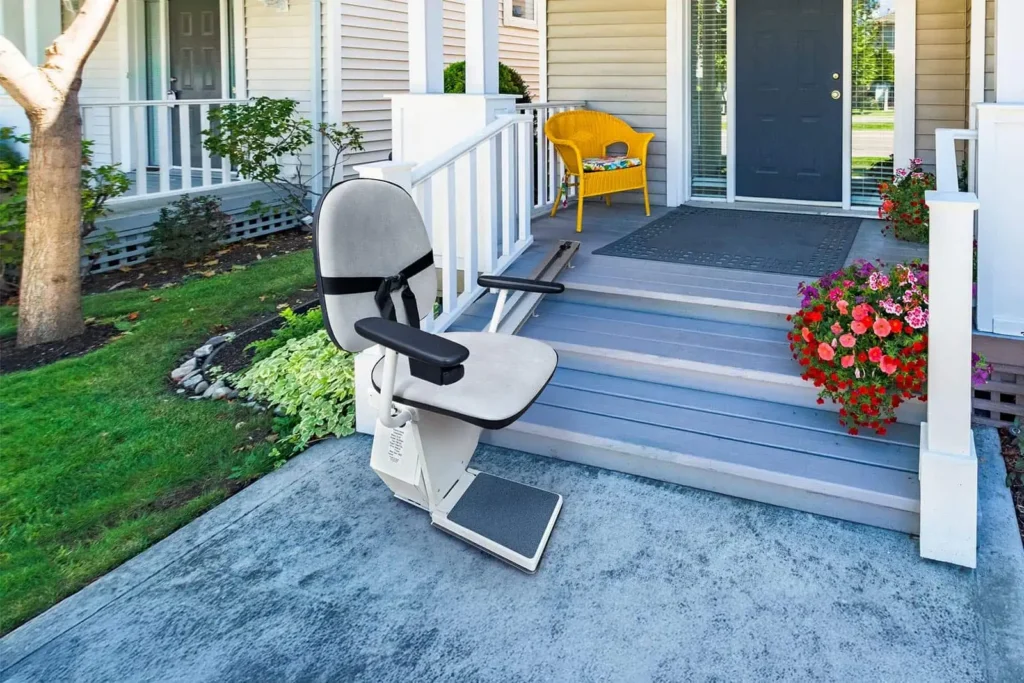
It’s important to remember a stairlift isn’t about giving up independence, but preserving it. The ideal time for a stairlift is different for everyone. But if stairs are becoming stressful, painful or limiting, it may be worth exploring your options sooner rather than later. Exploring your options early allows you to understand what’s available and choose a solution that fits your home and lifestyle.
Request a free quote from Safe Step to find a stairlift option that matches your unique needs.
Stairlift Timing FAQs
How do I know if I need a stairlift?
If you’re starting to avoid certain areas of your home, or if stairs feel difficult, painful or unsafe, it may be time to consider a stairlift.
Should I wait until I can’t use the stairs anymore?
Many homeowners benefit from getting a stairlift before stairs become completely unmanageable. Early installation may help you reduce fall risks and maintain independence longer.
Are stairlifts only for seniors?
No, stairlifts can also help people recovering from surgery, individuals with arthritis or anyone experiencing mobility challenges.