Are Stairlifts Covered by Insurance, Medicare or Assistance Programs?

In this blog:
- Medicare typically does not cover stairlifts because they are considered home modifications, not durable medical equipment.
- Most private insurance plans also do not fully cover stairlifts, though some may offer limited benefits or reimbursement.
- Medicaid HCBS waivers and VA grants may help eligible individuals pay for stairlifts.
- Nonprofits, community programs and charitable organizations may offer financial assistance.
- Safe Step offers financing guidance and energy-efficient stairlift options for homeowners seeking affordable accessibility solutions.
One of the biggest hurdles for many people who need a stairlift for their home is cost. It can feel overwhelming, especially when safety becomes an urgent concern. While traditional insurance coverage is limited, several financial assistance programs and affordable options can help make stairlifts more accessible.
Does Medicare Cover Stairlifts?
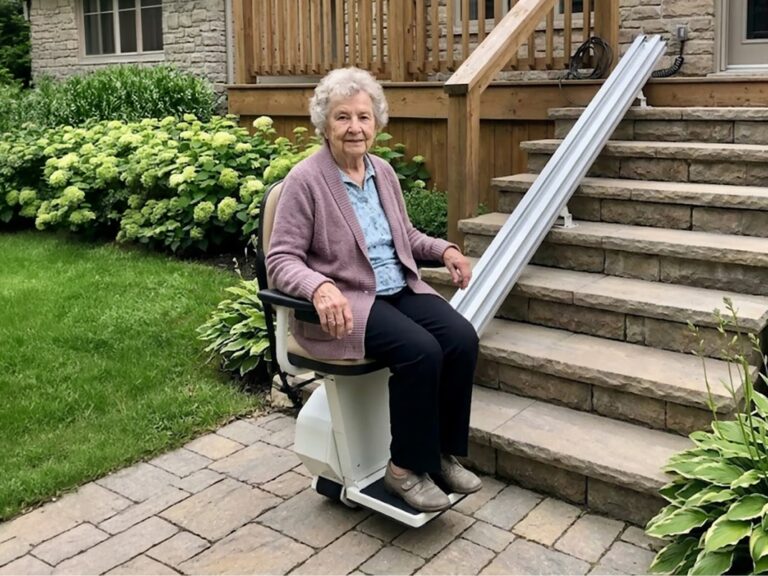
More than 14 million seniors fall each year, and stairs are one of the most common hazards in the home. Stair-related falls can result in serious injury. Falls send 3 million seniors to the hospital annually. For seniors with mobility limitations or balance issues, a stairlift adds another layer of protection to prevent falls.
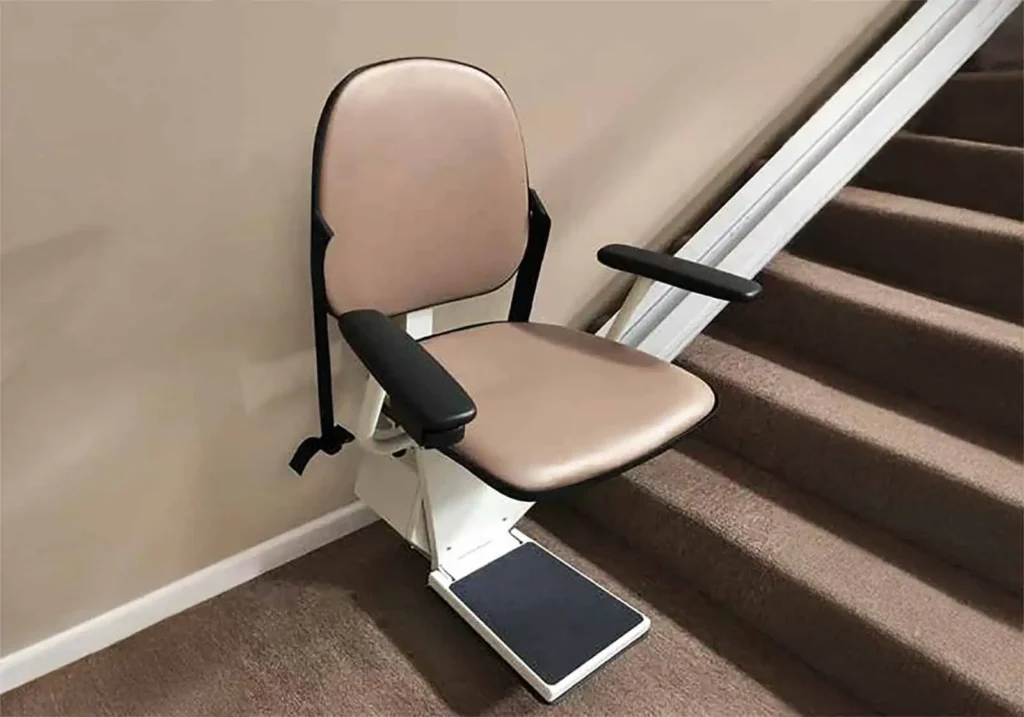
Unfortunately, you likely won’t be able to turn to original Medicare to cover the cost of a stairlift. Medicare generally classifies stairlifts as home modifications, rather than durable medical equipment. Unlike walkers, wheelchairs and certain mobility devices, stairlifts are considered attached home equipment, which Medicare does not usually cover.
If your stairlift qualifies as durable medical equipment, consult a tax professional to see if your purchase is eligible for a tax deduction. The Internal Revenue Service (IRS) may allow deductions for qualifying medical expenses that exceed a certain percentage of your adjusted gross income.
Does Private Insurance Cover Stairlifts?
Choosing a Medicare Advantage plan through a private insurance company can be beneficial for prescription drug coverage and routine dental, hearing and vision care. More than half of seniors choose to get their coverage through a Medicare Advantage plan.
Although Medicare Advantage offers comprehensive coverage, most private health insurance plans follow similar guidelines to Medicare and usually do not provide full stairlift coverage. However, coverage may vary depending on:
- Your provider
- Your policy details
- The reason for mobility limitations
When considering a stairlift for your home, it’s always worth contacting your insurance provider so you don’t leave potential benefits on the table. When you call, ask about:
- Home accessibility benefits
- Mobility assistance programs
- Medical equipment reimbursement
Can Medicaid Help Pay for a Stairlift?
Another possible source of assistance is Medicaid. Medicaid assistance can vary widely depending on where you live, but some programs may help offset stairlift costs. A Home and Community-Based Services waiver may help cover the cost of a stairlift. This program is designed to help eligible individuals remain safely at home, rather than moving into costly assisted living facilities or nursing homes.
Coverage and eligibility vary by state and depend on:
- Income requirements
- Medical needs
- Available state funding
Are There Free Stairlift Programs?
Finding a program offering a free stairlift can be challenging. Some non-profits and organizations may help reduce the purchase price.
Potential sources include:
- Local nonprofit organizations
- Area Agencies on Aging
- Community accessibility programs
- Charitable organizations
- Disease-specific foundations
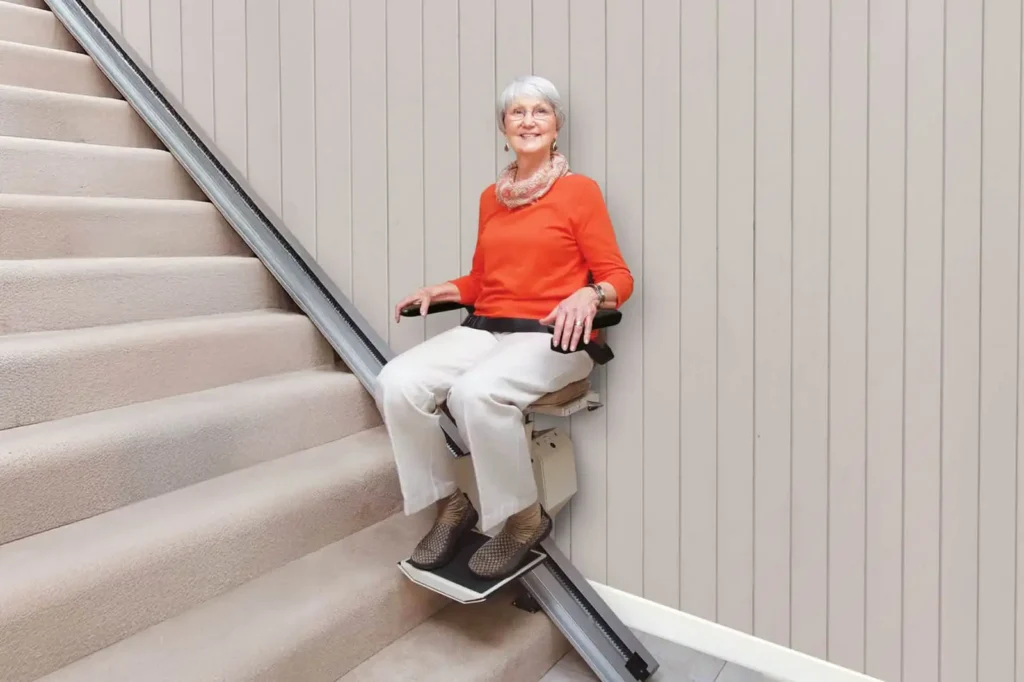
VA Grants for Stairlifts
Veterans may also have access to financial support. Veterans with service-connected disabilities may qualify for accessibility grants through the U.S. Department of Veterans Affairs. If you own your home, veterans may qualify for the Specially Adapted Housing grant. In 2026, eligible veterans may qualify for up to $126,526 through the grant to fund home accessibility improvements, including stairlifts. Service-connected disabilities include the loss or loss of use of a limb, blindness and other injuries incurred during service.
Other Ways to Make Stairlifts More Affordable
While securing insurance coverage or grants for a stairlift can be hard, there are other ways to make a stairlift affordable.
Financing Options
Many stairlift providers offer monthly payment plans that help spread out the cost over time.
Used or Refurbished Stairlifts
The lower initial cost of a pre-owned stairlift may provide a more affordable alternative for some homeowners. Before purchasing a used stairlift, it’s crucial to weigh the pros and cons. Used stairlifts typically don’t come with professional installation or a warranty, making the homeowner responsible for repairs if the lift breaks down.
Rental Stairlifts
For temporary needs—such as surgery recovery—a rental stairlift may be an option. While this is a viable short-term solution, the ongoing cost of a rental stairlift can add up.
Why Many Families Choose a Stairlift Despite Limited Coverage
Even without full insurance coverage, many families see a stairlift as an investment in safety, independence and peace of mind. A stairlift can:
- Improve safety on stairs
- Reduce fall risk
- Support aging in place
- Help avoid costly assisted living expenses
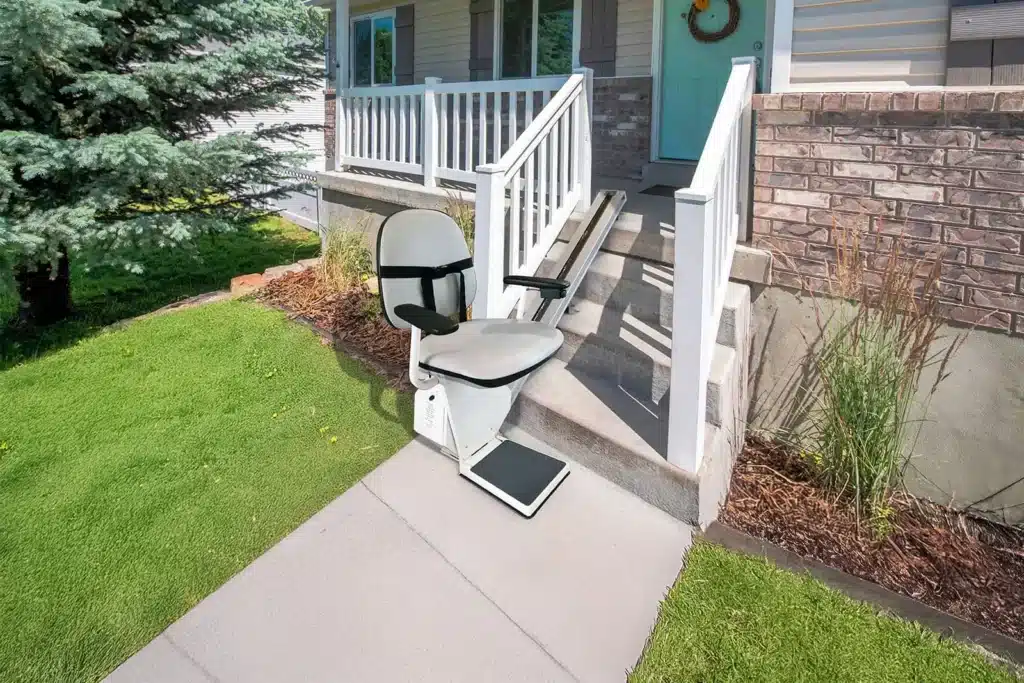
Finding the Right Stairlift Solution for Your Budget
Every homeowner’s situation is different. A Safe Step stairlift specialist can evaluate your home and help you explore the best product options for your space and budget. Your specialist can provide guidance on financing options and available assistance programs in your state.
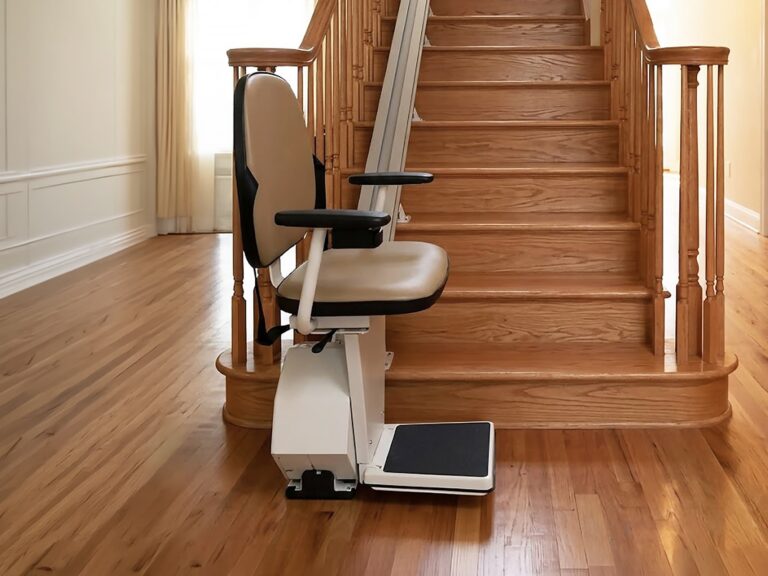
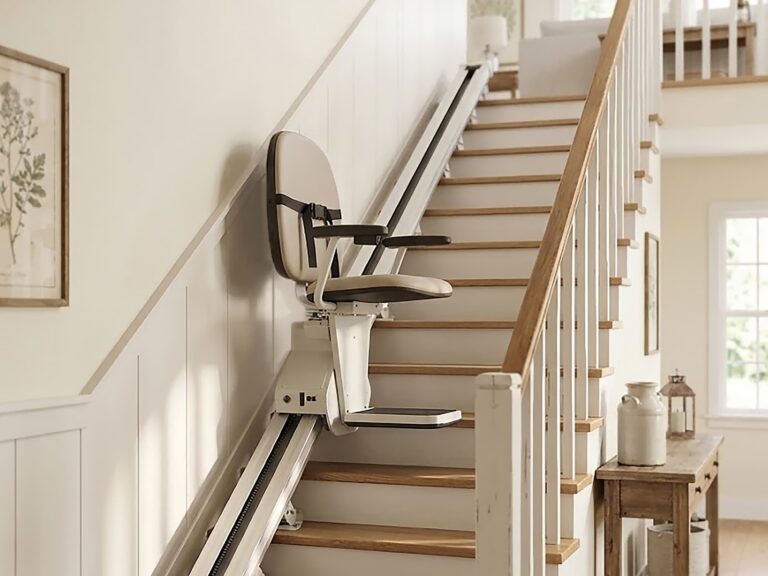
In addition to affordability, long-term reliability and energy efficiency are also important considerations when choosing a stairlift. Our stairlifts are designed to be energy efficient, keeping your utility bill low. The regenerative drive circuit charges as the stairlift travels downstairs, ensuring it will operate if the power gets knocked out during a heavy storm. Safe Step’s Straight Indoor Stairlift can operate at least 40 round-trips during an outage.
Although Medicare and most private insurance plans do not fully cover stairlifts, there are still several ways to reduce out-of-pocket costs. From Medicaid waivers and VA grants to financing and refurbished options, exploring available resources can help you stay safe, independent and comfortable in the home you love.
Request a free quote to find a stairlift that matches your budget.
Stairlift Insurance & Medicare FAQs
Does Medicare pay for stairlifts?
In most cases, Original Medicare does not cover stairlifts because they are considered home modifications rather than durable medical equipment.
Does Medicaid cover stairlifts?
Some state Medicaid waiver programs may help cover stairlift costs, especially through Home and Community-Based Services (HCBS) programs.
Can private insurance help pay for a stairlift?
Most private insurance plans do not fully cover stairlifts, but some policies may offer limited reimbursement or accessibility benefits.
Are there free stairlift programs available?
Free stairlift programs are limited, but nonprofits, veterans programs and local assistance organizations may help reduce costs.
Are stairlifts tax-deductible?
In some cases, stairlifts may qualify as a medical expense deduction if prescribed by a doctor. Consult a tax professional for guidance.
What is the cheapest way to get a stairlift?
Financing plans, refurbished stairlifts and rental programs may help reduce upfront costs.