Stairlifts for Arthritis Improve Mobility and Independence
In this blog:
- Arthritis can make stairs painful and dangerous, limiting access to parts of your home and increasing the risk of falls.
- Stairlifts help reduce joint strain, conserve energy, restore independence and make it safer to move between floors.
Arthritis symptoms can change how you move through your home, sometimes causing you to avoid certain areas altogether. Stairs are often the first barrier to independence. Learn how a stairlift for arthritis can safely and comfortably restore access to every level of your home.
Understanding Arthritis
Arthritis is a broad term referring to joint pain or disease. More than 60 million Americans have arthritis, and it’s the leading cause of disability in the country, according to the Arthritis Foundation. There are more than 100 types of arthritis, but the most common type for seniors is osteoarthritis. It develops as the protective cartilage in joints gradually wears down over time.
Joint pain, stiffness and inflammation associated with arthritis can make the fear of falling a daily concern. One in four adults reports falling annually, and many of these falls send seniors to the emergency room. As arthritis progresses, these symptoms begin to impact how you move through your home.

When Stairs Start Limiting Your Home
Arthritis can start to hamper your ability to handle everyday tasks, especially when stairs are involved. While your home might not have changed, how you move through it has. It may be hard to use upstairs bedrooms or tackle laundry when your washer and dryer are in the basement.
Stairs are particularly challenging for people with arthritis, increasing the chance of a fall. Here’s why:
- Increased pressure on the knees can worsen joint pain
- Reduced flexibility makes climbing and descending more difficult
- Diminished grip strength can make using railings less secure
- Fatigue builds with repeated trips, increasing overall risk
Stairlifts Reduce Strain Climbing Stairs
You don’t need to avoid your stairs. You can adapt how you use them. Simple updates like installing dual-sided handrails, adding non-slip treads and motion-sensor lighting can make the stairs safer. However, a stairlift provides an additional level of security.
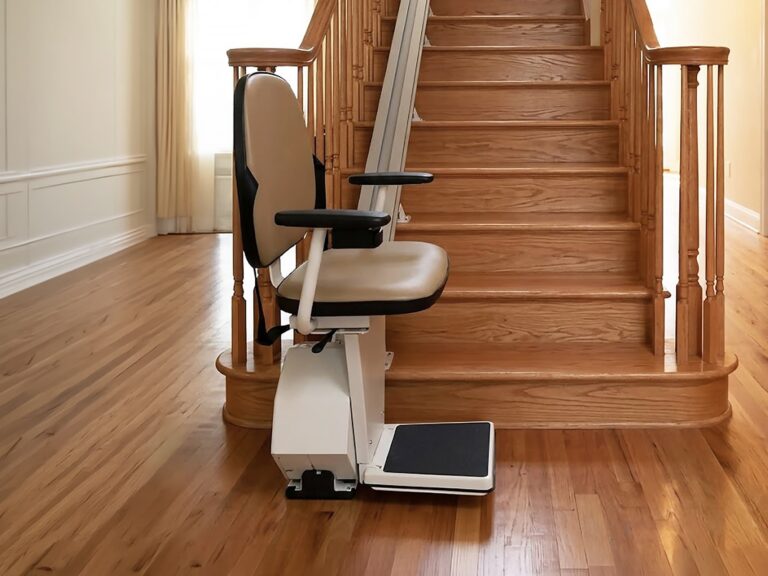
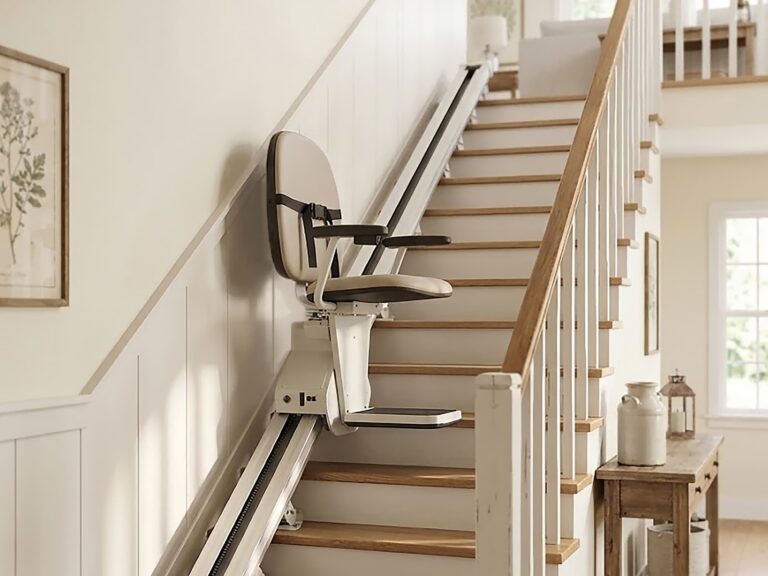
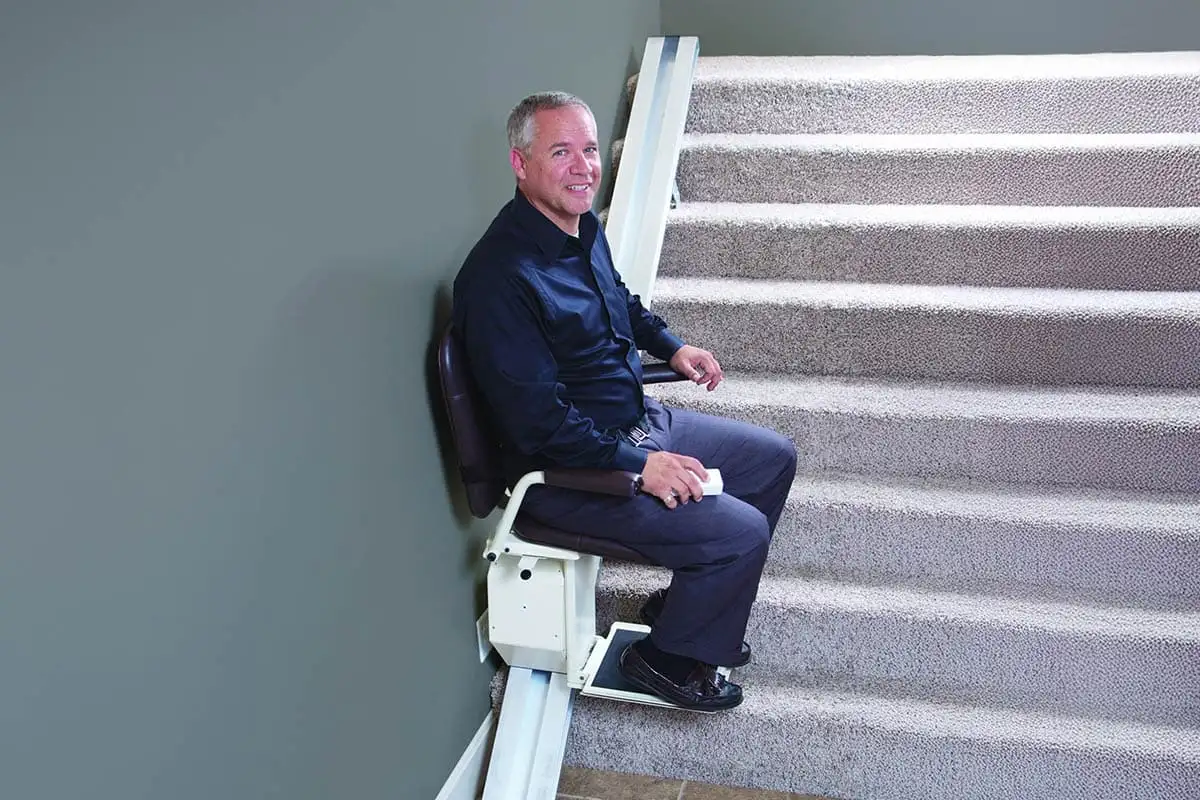
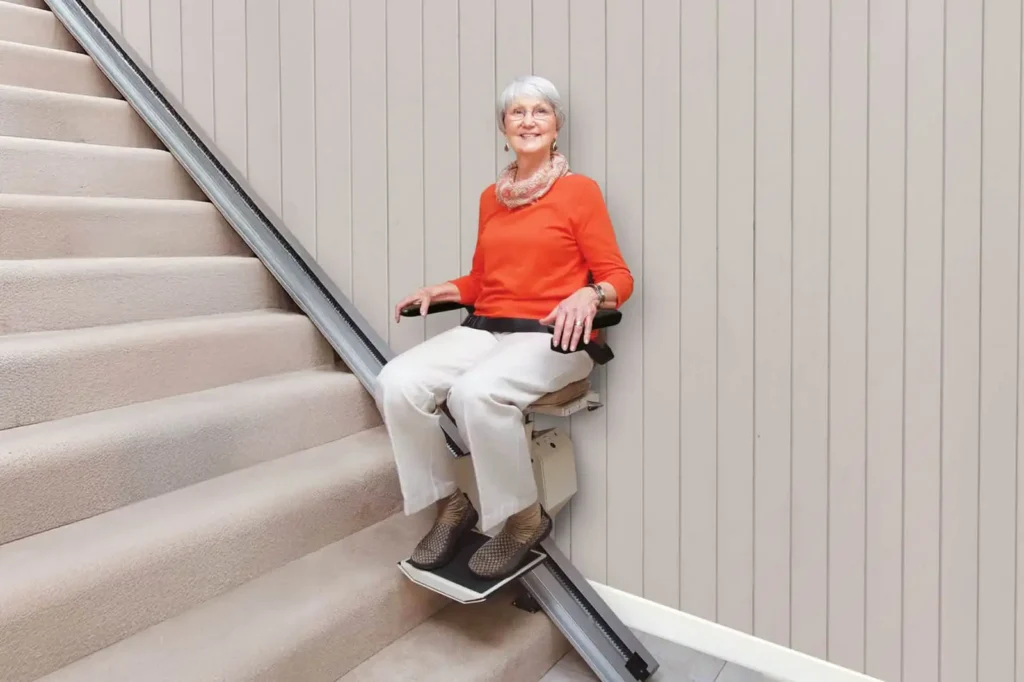
A stairlift is a motorized chair that carries a person up and down a staircase along a mounted rail. It enables people to age in place safely and retain their independence.
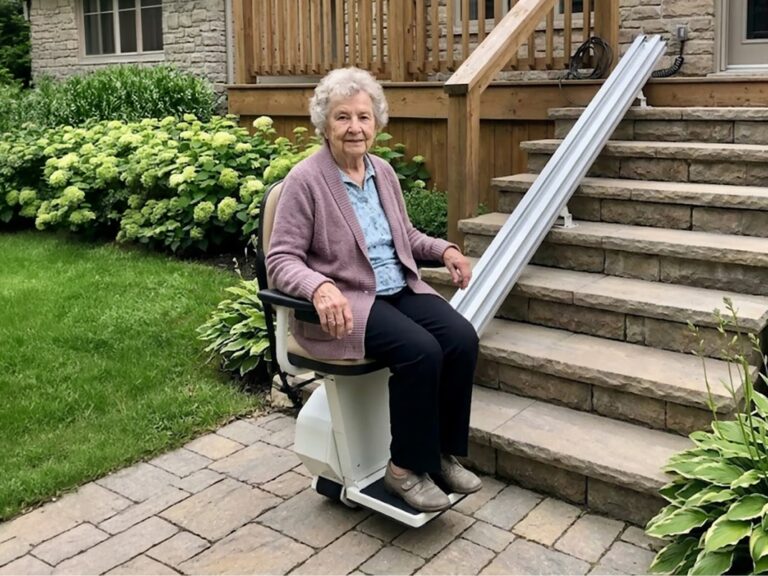
Safe Step offers indoor and outdoor stairlifts. These solutions can often be installed in less than a day with minimal disruption.
How Stairlifts for Arthritis Improve Daily Life
Climbing stairs, getting dressed, bathing or even holding objects can be more painful and difficult with arthritis. Coping with the impact of the disease often requires you to make changes to stay independent at home. A stairlift can transform your daily life and offer many benefits.
Eliminates Repetitive Joint Stress
The repetitive motion of climbing up and down the stairs puts stress on your joints. A new study reveals that repeated stair use places ongoing stress on joints, increasing the risk of developing knee osteoarthritis. A stairlift enables you to glide up and down the stairs with ease and less strain.
Reduces Fear
Fear of falling can make you hesitant to use the stairs. A stairlift reduces both mental stress and physical strain, helping you feel confident to access every floor of your home.
Restores Access to Your Entire Home
The risk of falling prompts many people to avoid stairs, making entire parts of the home inaccessible. With a stairlift, upstairs bedrooms, storage spaces and basement laundry rooms are no longer off-limits.
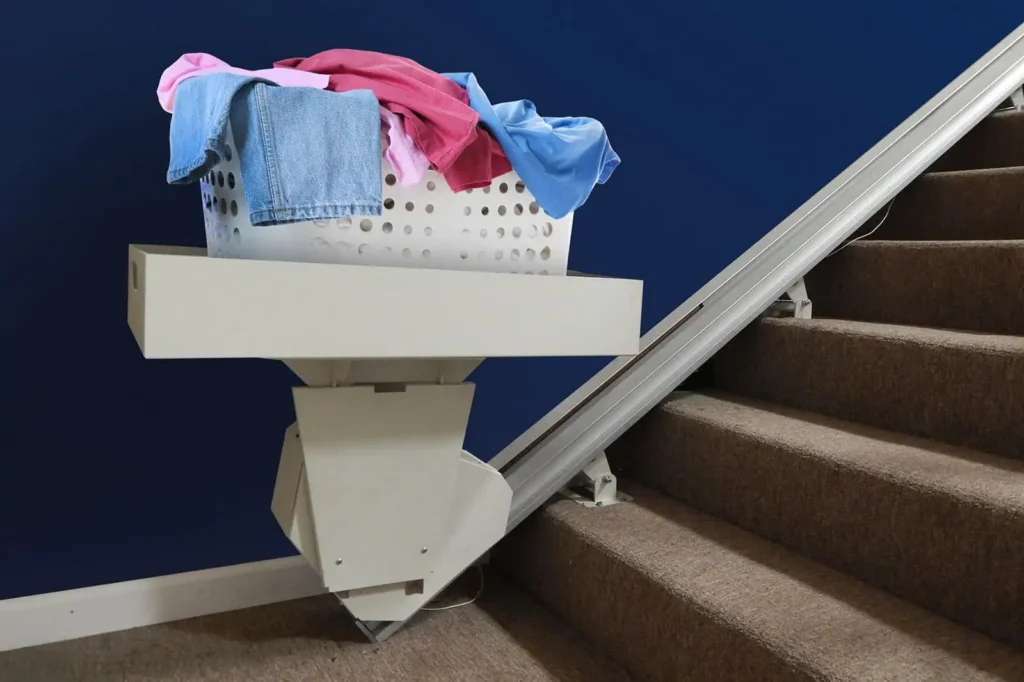
Safe Step’s Cargo Lift provides an extra set of hands. It enables you to haul bulky items up and down the stairs safely.
Conserves Energy
Relying on a stairlift to do the heavy lifting helps conserve energy. With less fatigue, you can focus on other daily activities you enjoy.
Signs It Might Be Time To Consider a Stairlift
It’s not always easy to determine when stairs go from being a minor inconvenience to a safety hazard. Increased hesitation, discomfort or changes in routine are often early warning signs. Recognizing them early can help you stay safe and independent.
It may be time to consider a stairlift if:
- You avoid going upstairs unless necessary
- Stairs take significantly longer than before
- You’ve had a near fall or loss of balance
- Joint pain worsens after using stairs
- You rely on others for help navigating levels
Comparing Your Options
Many people try to ‘push through’ using stairs, but over time, that can increase risk.
| Factor | Using Stairs | Using a Stairlift |
|---|---|---|
| Joint strain | High | Low |
| Fall risk | Higher | Reduced |
| Effort | Physically demanding | Minimal |
| Independence | Limited | Maintained |
Designed for Safety
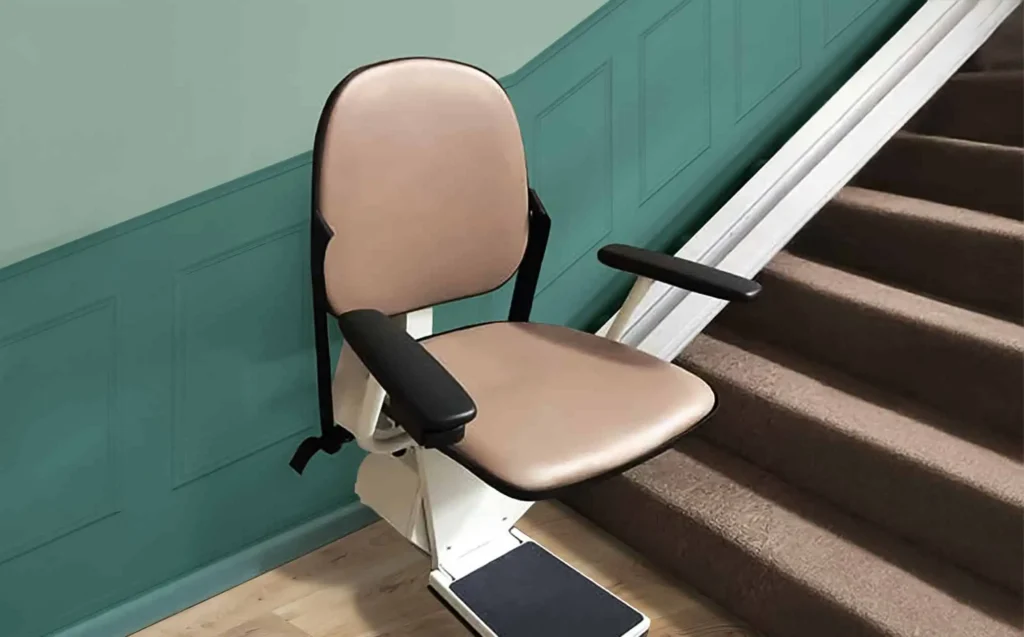
A Safe Step Stairlift is designed with features to make life easier and more accessible.
- Swivel seat: Provides safer entry and exit at the top landing
- Foldable design: Keeps stairs accessible for everyone
- Battery backup: Can make 40-plus round-trips in the event of a power outage
- Smooth start/stop: Prevents jolting movements for a comfortable ride
- Textured footrest: Helps maintain stability during use
Supporting Aging in Place With Arthritis
At least 75 percent of adults ages 50 and up want to age in place for as long as possible. Staying at home allows you to maintain your normal routines and avoid the high costs of long-term care.
Small changes at home can make a meaningful difference in safety and independence. Stairs shouldn’t force relocation or room limitations. A stairlift is a cost-effective solution for remaining in the home you love without a major renovation.
Request a free consultation to explore how Safe Step stairlifts can help you move safely between floors, so your home continues to work for you, not against you.